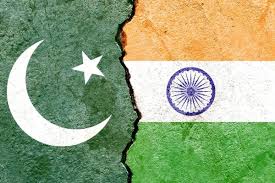
The India Pakistan conflict has been a persistent issue since the partition of British India in 1947. The division led to the creation of two separate nations, India and Pakistan, but also sowed seeds of discord, particularly over the princely state of Jammu and Kashmir. This territorial dispute has been the epicenter of multiple wars and ongoingtensions between the two countries.
Recent events have escalated the situation further. On April 22, 2025, a terrorist attack in Pahalgam, Kashmir, resulted in the deaths of 26 Hindu tourists. India attributed the attack to Pakistan-based militant groups, leading to retaliatory airstrikes under “Operation Sindoor” on May 7, targeting alleged terrorist infrastructures in Pakistan. Pakistan condemned these strikes as an “act of war,” vowing to respond, and reported civilian casualties and downed Indian jets .
Understanding the historical context and current dynamics of the India Pakistan conflict is crucial. This article delves into the roots of the dispute, recent developments, and explores potential solutions to this long-standing issue.
Historical Roots of the Conflict
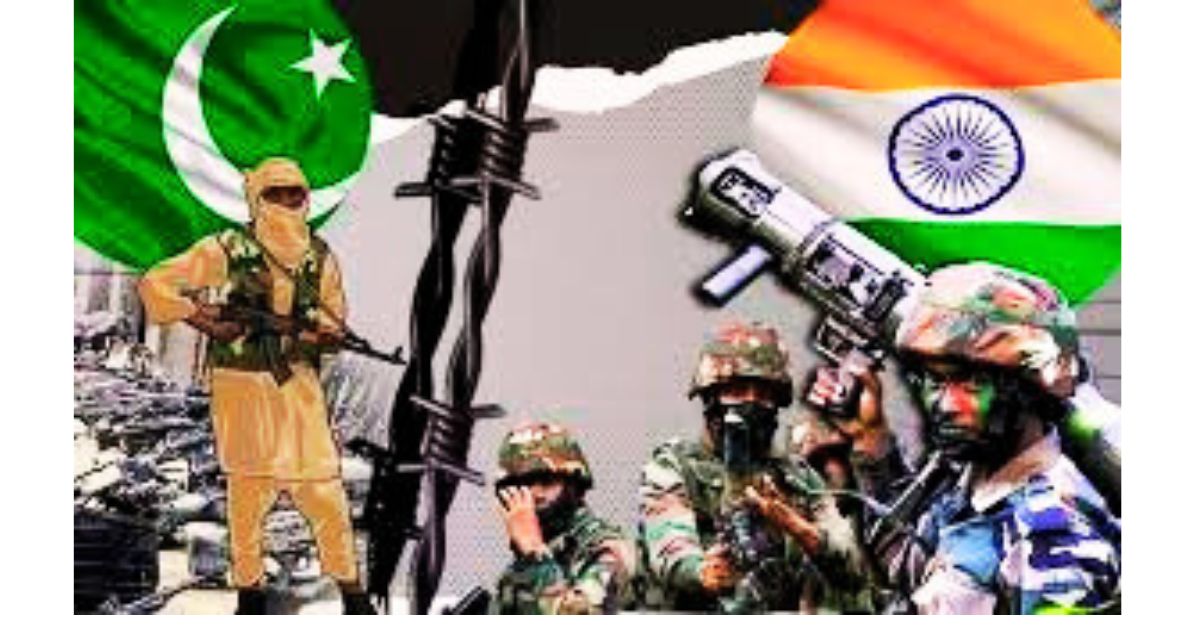
The origins of the India Pakistan conflict trace back to the partition of British India in 1947. The princely state of Jammu and Kashmir, with a Muslim-majority population but a Hindu ruler, became a contentious point. The Maharaja’s decision to accede to India led to the first Indo-Pakistani war, resulting in the establishment of the Line of Control (LoC) .
Subsequent wars in 1965 and 1971 further strained relations. The 1971 war, in particular, led to the creation of Bangladesh, formerly East Pakistan, intensifying hostilities.The Kargil conflict in 1999 and the Mumbai attacks in 2008 are other significant events that have perpetuated mistrust and animosity between the two nations.
Recent Escalations and Tensions
The April 2025 terrorist attack in Pahalgam reignited tensions. India’s subsequent airstrikes under “Operation Sindoor” targeted nine sites in Pakistan, which India claimed were terrorist infrastructures linked to groups like Jaish-e-Mohammed . Pakistan reported civilian casualties and the downing of Indian aircraft, labeling the strikes as unprovoked aggression.
These events have led to a severe diplomatic fallout. Both countries have expelled each other’s diplomats, suspended trade relations, and imposed airspace restrictions. The international community, including the UN and the US, has expressed concern over the escalating situation and urged both nations to exercise restraint .
Economic Implications of the Conflict
The ongoing conflict has significant economic repercussions. India has banned all imports from Pakistan, including indirect routes via third countries, affecting goods worth approximately $500 million . This move aims to prevent Pakistani goods from entering India through circumvention.
Informal trade between the two nations, previously estimated at $10 billion, is also at risk due to heightened hostilities . The suspension of trade not only affects economic ties but also hampers people-to-people connections and cultural exchanges.
Nuclear Deterrence and Strategic Postures
Both India and Pakistan possess nuclear arsenals, which act as a deterrent against full-scale war. India’s “Cold Start” doctrine emphasizes rapid mobilization for limited conventional warfare, while Pakistan relies on its nuclear capabilities for deterrence .
However, the lack of robust crisis communication mechanisms increases the risk of miscalculation. Analysts warn that without effective communication channels, even minor incidents could escalate into larger conflicts .
International Involvement and Mediation Efforts
The international community plays a crucial role in mediating the India Pakistan conflict. The United States has historically acted as a mediator, urging both nations to engage in dialogue and de-escalate tensions. China, a strategic ally of Pakistan, also influences the regional dynamics, particularly through projects like the China-Pakistan Economic Corridor (CPEC) .
Potential Solutions and Path to Peace
Several measures can be undertaken to address the India Pakistan conflict:
-
Diplomatic Engagement: Regular bilateral talks to address core issues and build trust.
-
Conflict Resolution Mechanisms: Establishing frameworks to manage and resolve disputes peacefully .
-
Economic Cooperation: Reviving trade relations to foster interdependence and mutual benefits.
-
People-to-People Exchanges: Promoting cultural and educational exchanges to build mutual understanding.
-
International Mediation: Engaging neutral parties to facilitate dialogue and negotiations.
Implementing these measures requires political will, mutual respect, and a commitment to peaceful coexistence.
Conclusion:
The India Pakistan conflict is deeply rooted in historical, political, and territorial disputes. Recent escalations underscore the urgent need for both nations to engage in meaningful dialogue and pursue peaceful resolutions. By prioritizing diplomacy, economic cooperation, and mutual understanding, India and Pakistan can pave the way for a more stable and prosperous South Asia.
Relevant External Links: