Introduction: The Vital Role of Oxygen
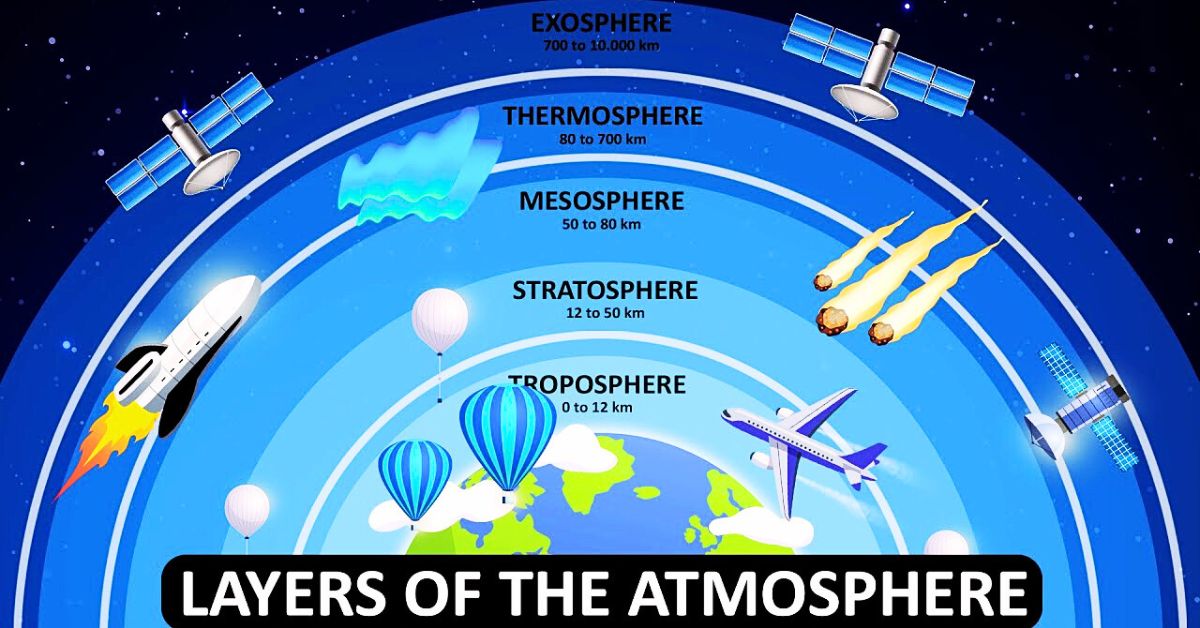
The Earth’s atmosphere is a delicate balance of gases, each playing an essential role in sustaining life. Among these gases, oxygen is one of the most vital components. Without it, the very foundation of life as we know it would be unsustainable. In this article, we will explore the science behind Earth’s atmosphere, focusing on the importance of oxygen. Understanding how this life-sustaining gas works will shed light on its crucial function for the planet’s ecosystems and human survival. Continue reading to discover why oxygen is the backbone of life on Earth and how it supports various biological and environmental processes.
Subheading 1: What Composes Earth’s Atmosphere?
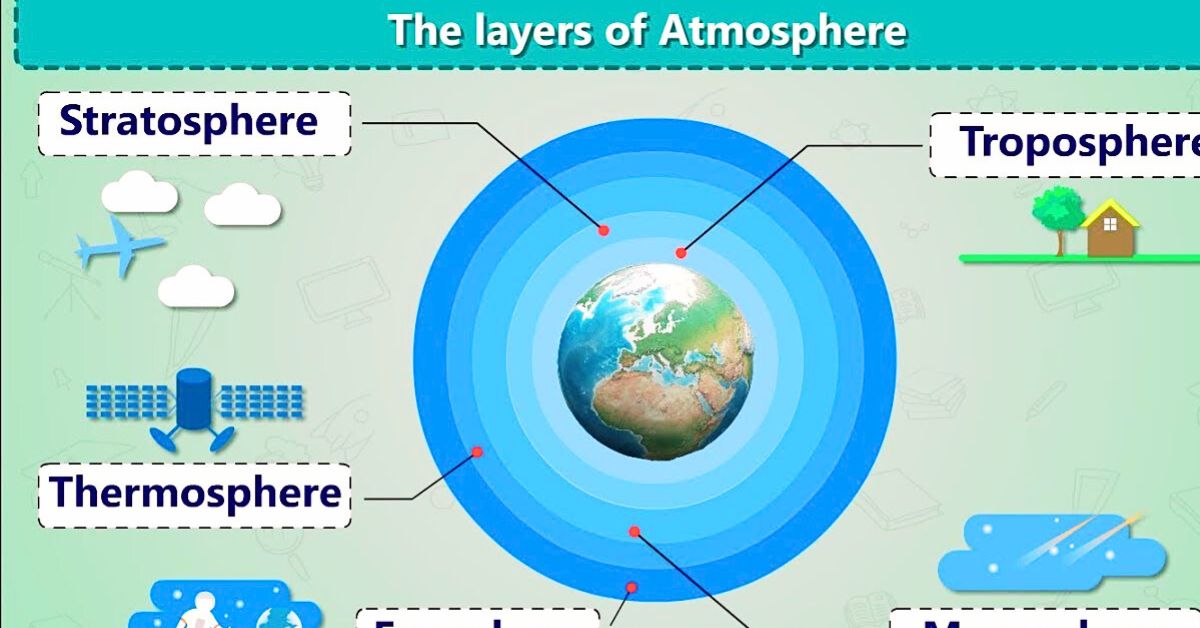
The Earth’s atmosphere is made up of several gases, with nitrogen (78%) and oxygen (21%) being the most abundant. The remaining 1% consists of argon, carbon dioxide, neon, helium, methane, and other trace gases. The balance of these gases is essential for maintaining life on Earth. Oxygen, specifically, is a gas that is critical for the respiration of most living organisms, providing energy necessary for their survival.
Subheading 2: Oxygen’s Role in Supporting Life
Oxygen is vital for cellular respiration, the process by which living organisms produce energy. Plants, animals, and microorganisms rely on oxygen to metabolize food, enabling them to perform their daily functions. This metabolic process also produces carbon dioxide as a by-product, which plants then use in photosynthesis. Oxygen, therefore, forms a crucial cycle that supports life on Earth, contributing to the sustenance of ecosystems across the globe.
Subheading 3: How Does Oxygen Enter the Atmosphere?
Oxygen enters the atmosphere primarily through the process of photosynthesis, which is carried out by plants, algae, and cyanobacteria. During this process, these organisms absorb carbon dioxide and release oxygen as a by-product. This oxygen is then available for consumption by other organisms in the environment. Photosynthesis is a fundamental biological process that not only produces oxygen but also helps regulate the Earth’s climate by absorbing excess carbon dioxide.
Subheading 4: The Oxygen Cycle and Its Importance
The oxygen cycle is the continuous movement of oxygen through the atmosphere, biosphere, and lithosphere. It begins when plants and trees release oxygen into the atmosphere through photosynthesis. Animals, in turn, consume this oxygen to fuel their bodies. The waste products from respiration are primarily carbon dioxide, which is then absorbed by plants for photosynthesis, continuing the cycle. This process ensures that oxygen levels remain balanced and available for all forms of life.
Subheading 5: Oxygen and the Earth’s Climate
Oxygen plays a significant role in stabilizing the Earth’s climate. While oxygen itself does not directly regulate temperature, it indirectly affects the climate through the carbon-oxygen balance. Excess carbon dioxide in the atmosphere, which results from human activities like burning fossil fuels, disrupts this balance. By decreasing the amount of oxygen available for photosynthesis, this can lead to global warming and climate change. Therefore, maintaining healthy oxygen levels is crucial for the stability of the Earth’s climate.
Subheading 6: Impact of Human Activity on Oxygen Levels
Human activities, such as deforestation, industrial pollution, and the burning of fossil fuels, have led to the depletion of the oxygen supply in some regions. When forests are cut down, fewer trees are available to produce oxygen through photosynthesis. Similarly, industrial activities contribute to increased levels of carbon dioxide, which negatively impacts the oxygen cycle. If this trend continues, it could lead to a decline in atmospheric oxygen levels, threatening ecosystems and human health.
Subheading 7: The Future of Earth’s Oxygen Supply
As the global population continues to grow and industrialization expands, the Earth’s oxygen levels may be at risk. Experts are warning that environmental conservation is more important than ever. Preserving forests, reducing carbon emissions, and embracing sustainable farming practices can help restore the balance of gases in the atmosphere. By taking collective action, we can safeguard the oxygen supply for future generations and maintain a livable planet.
Subheading 8: How Can We Protect Our Oxygen Supply?
There are several ways we can protect and maintain oxygen levels in the atmosphere. One of the most effective methods is to reduce deforestation and plant more trees. Trees and other plants are the primary sources of oxygen production, and increasing their number will directly improve oxygen availability. Additionally, adopting cleaner energy solutions and reducing the use of fossil fuels will help prevent further disruption to the oxygen cycle. Educating communities about the importance of oxygen and its role in sustaining life will also promote environmental conservation efforts.
Subheading 9: How Oxygen Affects Human Health
Oxygen is essential not only for ecosystems but also for human health. Insufficient oxygen levels in the air can lead to respiratory issues, fatigue, and even death in extreme cases. While the atmosphere is composed of 21% oxygen, this concentration is necessary for the proper functioning of the human body. Oxygen is transported through the bloodstream to vital organs, where it supports the production of energy and other metabolic processes. Without it, survival becomes impossible.
Subheading 10: Scientific Advances in Understanding Oxygen
In recent years, scientific research has deepened our understanding of the oxygen cycle and its role in the Earth’s environment. Innovations in technology, such as the use of satellites to monitor atmospheric gases, have helped scientists track oxygen levels across the globe. Researchers are also exploring how artificial photosynthesis could potentially supplement natural oxygen production, offering a possible solution to environmental challenges. Continued research into oxygen and its cycle is crucial for addressing global environmental concerns.
Conclusion: The Ongoing Importance of Oxygen
The oxygen in Earth’s atmosphere is far more than just a gas that we breathe—it is the lifeblood of our planet. It sustains ecosystems, fuels metabolic processes, and supports the delicate balance that allows life to thrive. However, human activities pose a significant threat to this delicate balance. By understanding the science behind Earth’s atmosphere and taking proactive steps to protect our oxygen supply, we can ensure a sustainable future for all life forms. The future of our planet depends on how we choose to act today.